
January 06, 2026
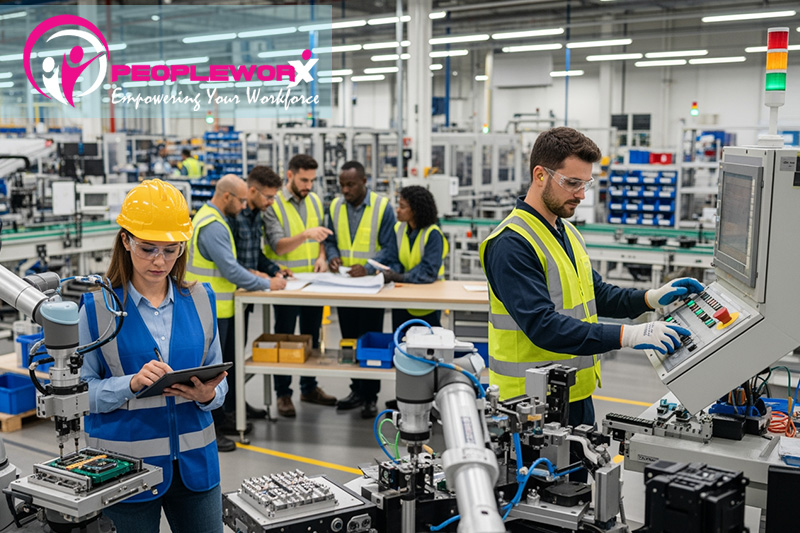 As the United States steps into 2026, the manufacturing sector is poised for a cautious yet promising recovery. Following a challenging 2025 characterized by trade uncertainties, elevated input costs, and contraction in key indicators like the ISM Manufacturing PMI (which ended the year at 47.9), forecasts point to modest growth driven by policy incentives, technological innovation, and accelerating reshoring efforts.
Economic Projections and Key Indicators
According to Deloitte's 2026 Manufacturing Industry Outlook and ISM forecasts, the sector is expected to rebound modestly:
- Manufacturing revenues projected to increase by 4.4% (ISM Supply Chain Planning Forecast).
- Capital expenditures anticipated to rise 3%.
- Employment growth of about 0.4 percentage points, focusing on skilled roles.
- S&P Global PMI signals mild expansion, with firms building inventories in preparation for improved demand.
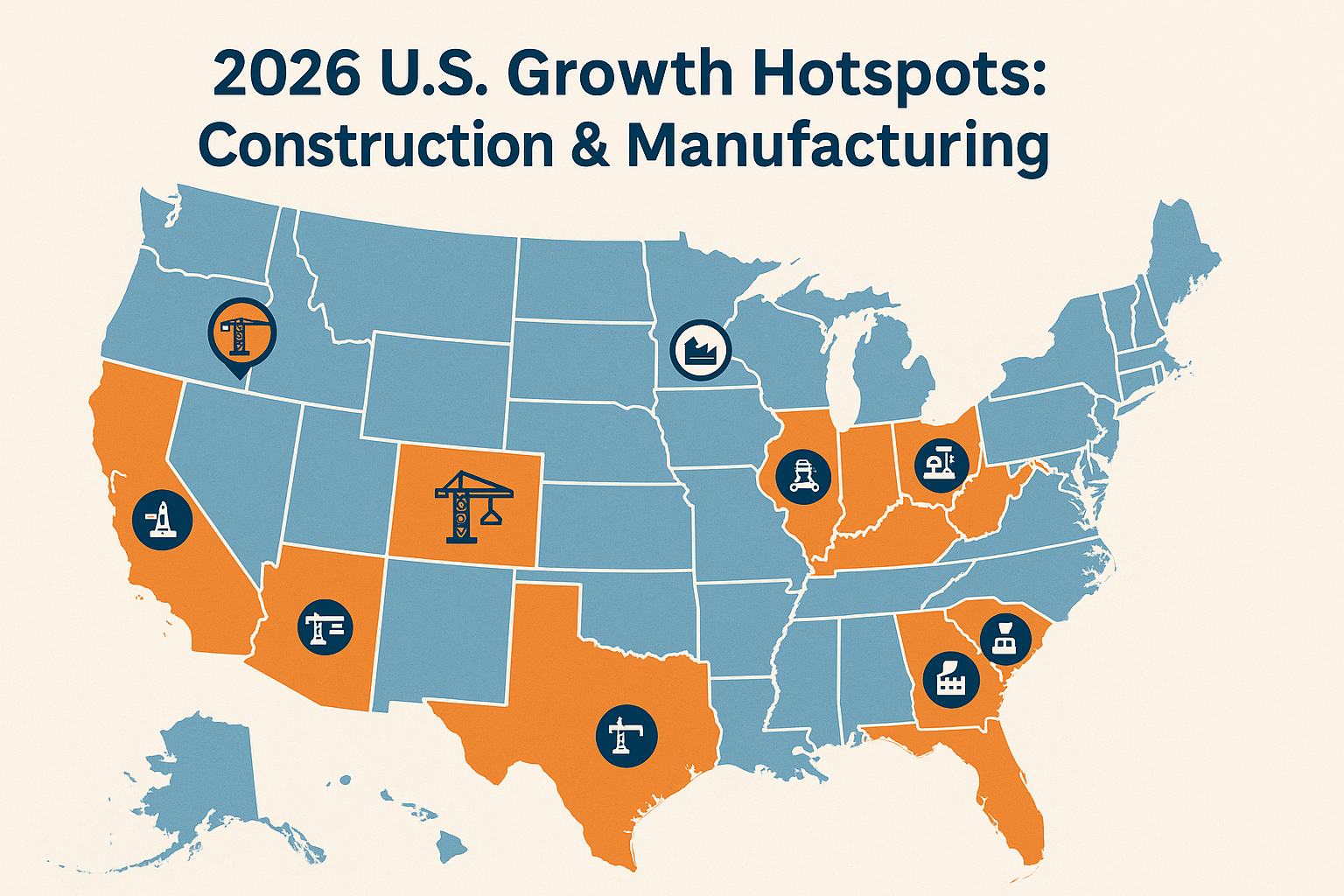 Despite persistent headwinds like tariffs and supply chain complexity, opportunities in semiconductors, data centers, and clean energy are expected to fuel investment.
Reshoring and Supply Chain Resilience
Reshoring momentum continues to build, supported by trade policies, tax incentives, and a focus on domestic skilled labor. Surveys from the Reshoring Initiative highlight factors like regulatory reform and tariffs encouraging U.S. investment.
In 2026, expect:
- Further nearshoring to Mexico and regional supply chains
- Increased use of AI for visibility and predictive analytics.
- Hybrid global-domestic strategies for greater antifragility.
"If trade policies provide greater certainty—even with higher costs—they could support more investment in U.S. manufacturing." — Deloitte 2026 Outlook
CHIPS Act and Semiconductor Growth
The CHIPS and Science Act is transitioning from funding announcements to production ramp-ups, with facilities from Intel, TSMC, and others coming online.
Impacts include:
- Tripling U.S. semiconductor capacity by 2032.
- Tens of thousands of high-skilled jobs created.
- Boost to AI infrastructure and national security.
AI and Smart Manufacturing Revolution
Agentic AI—autonomous systems capable of reasoning and action—is set for wider adoption, transforming operations.
Key trends:
- Predictive maintenance, quality control, and autonomous scheduling.
- Supply chain agility via scenario planning.
- Workforce augmentation to address skills gaps.
Deloitte reports 80% of manufacturers planning significant smart tech investments.
Workforce Challenges and Strategies
Labor shortages persist, but hiring is positive in high-tech sectors. Adaptive planning, upskilling, and AI-human collaboration are critical.
Summary - Resilience and Opportunity Ahead
2026 marks a transitional year for U.S. manufacturing, with gradual recovery amid uncertainties. Strategic investments in AI, reshoring, and talent will position leaders for sustained competitiveness and economic contribution.
 Copyright 2008 - 2021 Management Solutions Group, All Rights Reserved